
This is an independent product-research guide. Measurements and examples explain a checking method; they are not seller guarantees, product tests or live shipping quotations. Confirm the selected listing, option and current service terms before payment.
Define the T-shirt you actually want
A useful USFans T-shirt spreadsheet starts with a decision, not a long list of logos. Decide whether you need a regular everyday tee, an oversized graphic shirt, a fitted layer or a long-sleeve top. Record the colour, neckline, sleeve shape and intended use. These details determine which listings deserve attention and which can be skipped even when their photographs look attractive.
Keep a reference garment beside you. Choose one you already wear comfortably for the same purpose, rather than the shirt with the most familiar size label. A fitted gym top is a poor reference for an oversized cotton tee. The aim is to compare a candidate with a known fit while keeping the seller's measurement method visible.
Match the listing, picture and selected option
Open the destination from the collection and confirm that its title, main image and options describe the same product. A card may be old, a seller may change a listing, or a multi-design page may show a different default selection. Save the original marketplace link and the exact design, colour and size you intend to request.
Check whether the price applies to a complete shirt. Some option grids contain several designs, sets or accessories, each with a different price. Record the selected price, quantity and any domestic delivery charge together. Never assume that the lowest number on the page applies to every image in the gallery or that selecting a photograph has also selected the intended size.
Compare flat garment measurements
For a basic tee, compare chest width, body length, shoulder width and sleeve length. Lay your reference flat without stretching it. Follow the seller's measurement points where a diagram is provided. A chest width taken across the garment is not the same as a body chest circumference, even if both values appear beside the word chest.
Consider an illustrative reference measuring 54 cm across the chest and 70 cm in body length. A candidate listed at 58 cm and 68 cm is wider and shorter under the same measuring method. That does not make it better or worse; it changes the silhouette. These sample measurements are a comparison exercise, not a recommended size or a universal conversion chart.
Read the shape as well as the size label
Two shirts with equal chest widths can look different because of shoulder placement, sleeve length and body length. A dropped shoulder moves the sleeve seam down the arm. A cropped body changes where the hem sits. A wider neck opening can change the overall appearance without changing the chest measurement. Check these features in the listing rather than treating oversized as a precise measurement.
For long sleeves, note the method used to measure the arm. A sleeve measured from the shoulder seam cannot be compared directly with one measured from the centre of the neck. Ask for matching measurement points when an important dimension is unclear. Choosing one label size larger is not a reliable substitute for resolving that difference.
Separate fabric information from photographs
Read the composition and fabric description as seller statements. A photograph cannot establish fibre percentages, shrinkage, breathability or long-term durability. Fabric weight expressed as grams per square metre describes a different quantity from the total weight of a finished shirt. Neither number alone proves softness or suitability for hot weather.
If the listing gives no fabric weight, leave that field unknown. Do not copy a figure from another colour, another seller or a similar-looking model. Where washing instructions are visible, keep them with your purchase record and follow the instructions supplied with the actual item. Avoid promising that an untested shirt will remain the same size after washing.
Inspect print and embroidery evidence
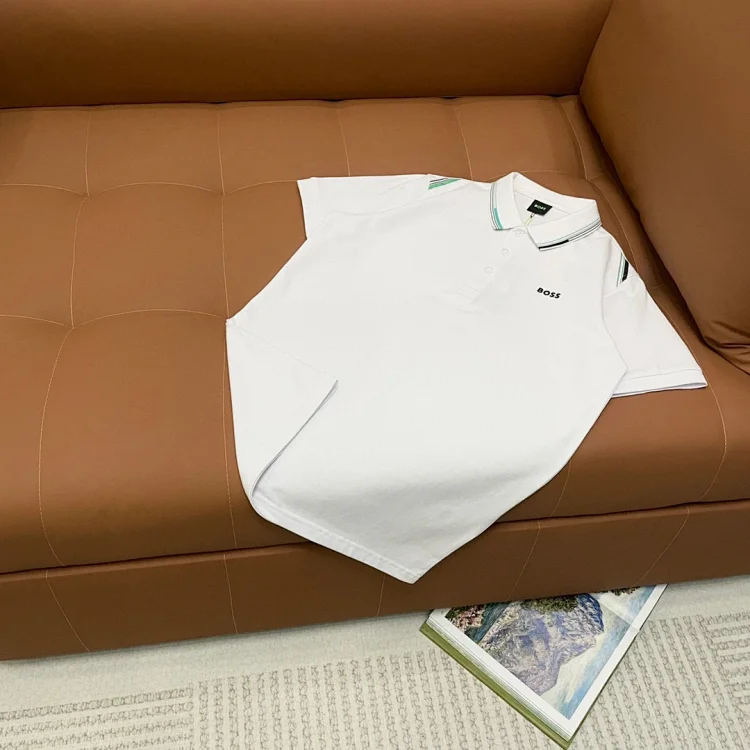
Look at the front and back artwork separately. Compare placement relative to the collar, side seams and hem, then inspect readable lettering, edges and visible stitching. A detail photograph can reveal a misplaced print or missing part of a design. Lighting and camera angle can still change apparent colour, gloss and proportions.
Treat durability as unresolved unless you have relevant, documented use evidence. A clean photograph does not show how an ink, transfer or embroidered area behaves after repeated washing. If a seller offers several print methods or design versions, record the chosen one. Warehouse photos can confirm visible placement and obvious damage, but cannot replace a wash test.
Prepare a practical warehouse photo request
Before the shirt reaches the warehouse, list the few details that could change your decision. Typical priorities are the selected design, colour, size label, front and back appearance, and one or two critical measurements. Asking for a clear chest-width image is more useful than asking for a photograph that makes the shirt look good.
When the photos arrive, compare them with the saved option record promptly. Check the whole item before zooming into small decorative details. If the selected version is wrong, resolve that issue first. If a critical area is hidden, request the missing evidence while the current return-request window still permits action. Keep the item out of an international parcel until a material mismatch is resolved.
Compare value using the full purchase
The shirt price is only one part of a cross-border order. Keep product cost, domestic delivery, optional services and later international transport separate. A low-priced tee may offer poor value if its size evidence is unusable or if it requires extra work to clarify the option. Compare usable listings rather than ranking every candidate by its smallest displayed price.
When planning a mixed parcel, use the actual packed weight and dimensions for a current route quotation. A few light garments can still create volume, particularly with unnecessary retail packaging. Removing packaging may reduce bulk, but protection from moisture and handling remains relevant. Do not assign a fixed shipping cost to one shirt without stating how the parcel cost was allocated.
Build a small comparison record
Compare three candidates using the same fields: product link, selected option, date checked, reference measurements, seller measurements, composition statement, print evidence, price and unresolved questions. Keep measurements in one unit. If a field is absent, mark it unknown instead of rewarding the listing with an invented positive assumption.
Use a simple stop rule. Do not proceed when you cannot identify the complete-product option, when the design selection is ambiguous, or when a fit-critical measurement has no usable basis. A candidate with fewer unknowns may be more useful than the cheapest or most heavily promoted one. The comparison should explain why you kept a product on the shortlist.
Use the guide alongside the collection
Browse the T-shirt category for candidates, then return to the clothing size guide for measurement definitions and the QC guide when the actual item reaches the warehouse. Each page supports a different stage. Product discovery identifies a listing; measurement work assesses fit evidence; warehouse photos check the received unit before international shipping.
After delivery, compare the shirt with your saved record and note the actual fit. Record the selected size and the measuring method, not only whether you liked it. That history can help with a repeat purchase, but a changed listing or later batch still requires a fresh check. A dependable USFans T-shirt shortlist stays connected to the live option and your own measurements.
Keep examples separate from current listing facts
The numbers in this guide are illustrative comparisons, not measurements of every product in the collection. A live listing must supply its own option details and size information. When a value is absent, record it as unknown. Do not transfer a sample measurement, material claim or packing assumption into a product description without evidence for that specific item.
Use the current destination as the reference for availability and selected price, then confirm the actual unit in warehouse photos. Product names and images help identify a candidate; they do not certify authenticity, materials or long-term performance. Keep your conclusion limited to the evidence you have, and update the comparison whenever the listing or chosen option changes.