
This is an independent product-research guide. Measurements and examples explain a checking method; they are not seller guarantees, product tests or live shipping quotations. Confirm the selected listing, option and current service terms before payment.
Start with a reference that matches the intended fit
Pants are difficult to judge from a waist label alone. Two pairs with the same label can differ in rise, thigh width, leg shape and length. Begin with trousers or shorts that already fit in the way you want. Choose a reference from a similar category: fitted denim, loose cargo pants and elastic-waist sports shorts are not interchangeable examples.
Write down the desired silhouette, where the waistband should sit and the shoes you plan to wear. These choices affect how length and leg opening will feel in practice. A photograph may suggest a style, but it cannot establish the measurements of your selected size. Use the visual impression to narrow the shortlist, then use dimensions to assess it.
Confirm the exact listing and option
Open the collection link and verify product identity before using its size information. A multi-style page may combine shorts and long trousers, several cuts or different fabrics. The displayed chart might apply to only one group of options. Save the selected model, colour and size along with the chart that explicitly belongs to that version.
Check that the selected price covers the complete garment and the required quantity. Do not assume a belt, chain or other styling accessory is included. Record domestic delivery separately when shown. If the chart and option labels conflict, resolve the contradiction before payment; warehouse photos arrive too late to make an intentionally ambiguous order well specified.
Distinguish flat waist width from circumference
Lay the reference garment flat and measure the waistband using the seller's stated method. A flat width across the waist is different from a full circumference around it. A body waist measurement is another quantity again. Identify the field definition and units before comparing numbers, especially when a translated chart uses only the generic label waist.
As an illustrative calculation, a flat width of 42 cm corresponds to approximately 84 cm when doubled under a simple flat-measurement method. It is not a universal size conversion. Curved waistbands, stretch and the actual measuring method can affect the comparison. Never compare 42 cm directly with an 84 cm circumference and conclude that one garment is half the size.
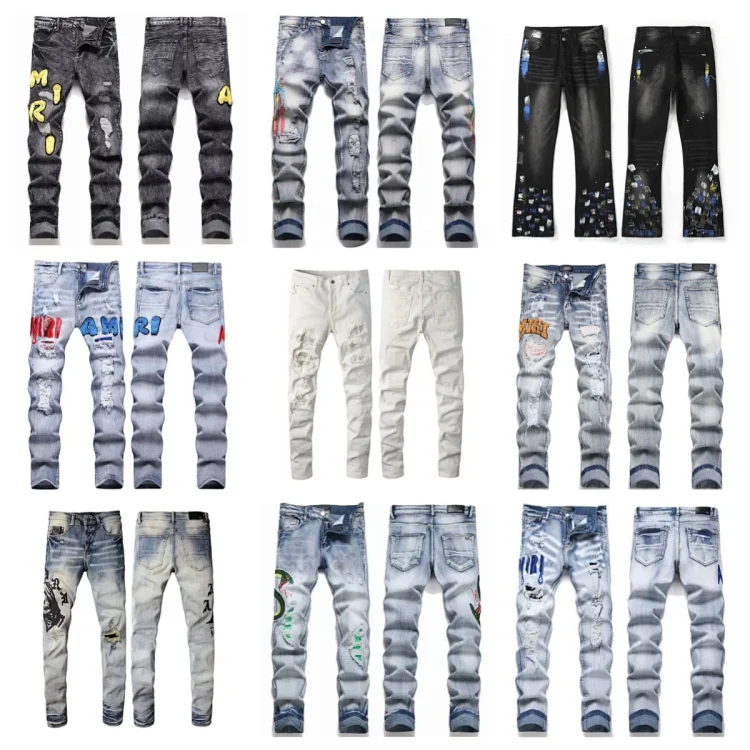
Measure rise and decide where the waistband sits
Rise describes the distance between the crotch area and the waistband using the specified method. Front and back rise are different measurements. They influence where the garment sits and how much room it provides around the seat. A higher-rise pair can feel different even when its waist and inseam match a lower-rise pair.
Use the same measurement points on the reference and the candidate chart. If only one rise value is shown, check which side it describes. Do not substitute total outside length for rise. Where the listing provides no rise evidence and that dimension matters to your fit, mark the uncertainty clearly rather than assuming every pair from the category follows the same cut.
Keep inseam and outside length separate
Inseam usually follows the inside of the leg from the crotch seam to the hem, while outside length follows a different route from the waistband. Check the listing's diagram because methods can vary. A pair can have a longer outside length because of a higher rise, without providing a longer inseam. Comparing only the headline length can therefore mislead.
For an illustrative example, a reference inseam of 76 cm and a candidate inseam of 80 cm imply 4 cm more inside-leg length when measured equivalently. Whether that is useful depends on your preferred break, footwear and alterations. Do not promise that hemming will preserve every original detail; zippers, embroidery, panels or a shaped opening may limit a simple alteration.
Check thigh, knee and leg opening
A waistband can fit while the thigh is too narrow or the hem is wider than intended. Compare thigh width, knee width when available and the leg opening using matching positions. Loose, straight, tapered and wide-leg are descriptive categories, not standard dimensions. The actual numbers help distinguish candidates that share the same marketing label.
For shorts, include the opening and the relationship between rise and inseam. A short outside length does not by itself explain where the hem will sit. Pockets, lining and construction can also affect the usable space. Look for enough evidence to understand the garment rather than choosing from a single styled front image or a familiar size label.
Understand stretch and fabric limitations
If the waistband is elastic, distinguish relaxed and stretched measurements. A maximum stretched number is not necessarily a comfortable wearing measurement. Ask which condition the chart reports and compare it with a similar reference. A drawstring can adjust the waist, but it does not solve an unsuitable rise, thigh width or seat shape.
Read material composition and stretch descriptions as seller information, not as independently tested facts. Photos cannot establish recovery after stretching, shrinkage after washing or long-term abrasion resistance. Keep care instructions with the purchase record. Do not add a universal allowance for washing unless there is relevant evidence for that specific material and garment construction.
Prepare precise warehouse checks
At warehouse arrival, first confirm the selected model, colour, size and quantity. Review the front and back, waistband, seams, fasteners and any included parts visible in the photographs. Then request the fit-critical measurements that remain unresolved. A clear image of the waistband measured flat is more useful than an unclear photograph of a folded garment.
When documenting a mismatch, state the expected dimension, observed dimension and measuring method. A difference between an unstretched waist and a stretched chart value is not automatically a seller error. Resolve the interpretation first. If an actual mismatch remains, record it and address the return or correction request before the current service window closes and before submitting international shipping.
Compare the total purchase and parcel plan
Separate product price, domestic delivery, optional services and international transport when comparing candidates. Heavy denim, multiple pairs or bulky packaging can affect a mixed parcel differently from a small order of light shorts. Obtain a route quotation from the actual packed weight and dimensions instead of assigning every pair the same fixed shipping cost.
Review packaging removal cautiously when the selected garment includes hardware or parts that need protection. Keep accessories together with the correct product. Consolidating several purchases may be convenient, but route limits, minimum charges and dimensions can change the result. Compare available quotations rather than assuming that the largest possible parcel will always be the cheapest choice.
Record the final choice and learn from delivery
Create one comparison row per selected option: link, date, waist definition, rise, inseam, thigh, opening, fabric statement, price and outstanding questions. Keep your reference measurements beside the seller's values. This makes the decision reviewable and reduces the temptation to choose a different size merely because an unrelated reviewer used the same letter or number.
Use the pants and shorts category for discovery and the clothing size guide for a consistent measuring routine. After delivery, record actual fit and remeasure if useful, following the same method. That personal record is more informative than a vague true-to-size verdict. Recheck the live listing for a repeat order because a changed cut, option or batch can invalidate an earlier comparison.
Keep examples separate from current listing facts
The numbers in this guide are illustrative comparisons, not measurements of every product in the collection. A live listing must supply its own option details and size information. When a value is absent, record it as unknown. Do not transfer a sample measurement, material claim or packing assumption into a product description without evidence for that specific item.
Use the current destination as the reference for availability and selected price, then confirm the actual unit in warehouse photos. Product names and images help identify a candidate; they do not certify authenticity, materials or long-term performance. Keep your conclusion limited to the evidence you have, and update the comparison whenever the listing or chosen option changes.