
Public USFans pages describe marketplace purchasing, warehouse inspection photos and a return-request process. This guide does not claim a current customer-rating score, a verified order test or a guaranteed outcome. Check current terms for the selected product and route.
What USFans says it offers
USFans presents itself as a shopping agent for Chinese marketplaces including Taobao, 1688 and Weidian. Its public pages describe a workflow in which an item is bought from a third-party seller, delivered to the USFans warehouse, checked and photographed, then held for the customer’s later international parcel decision. The homepage currently markets quality-checked purchases, real photo confirmation and shipping to more than 50 countries.
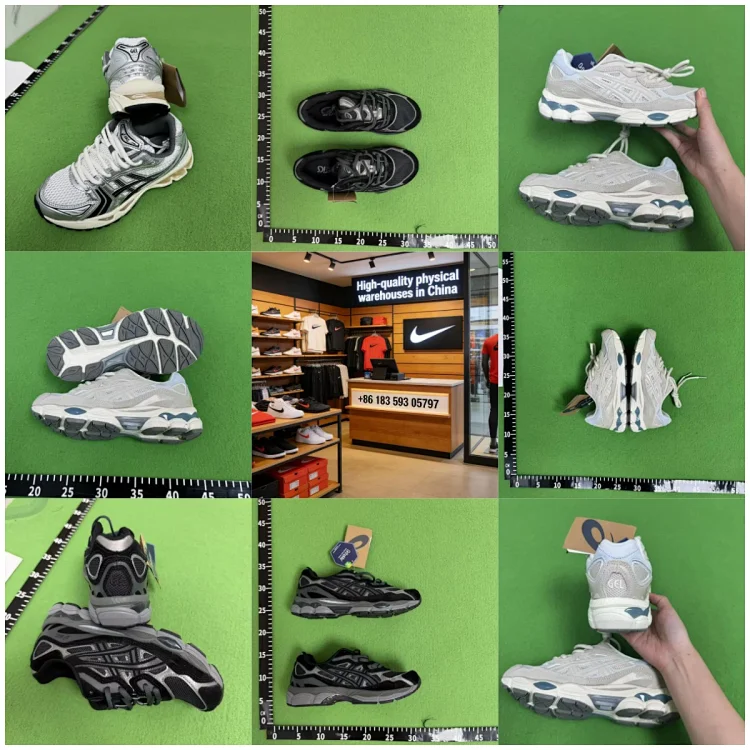
Product pages add two concrete policy points: three to seven free HD inspection photos and a five-day period to request a return after warehouse arrival if the buyer is dissatisfied. They also say agents negotiate after-sales issues with sellers. These published features are useful, but they should be understood precisely. A return request is not the same as automatic seller acceptance, and a photo inspection is not a guarantee of material quality or authenticity.
The useful part of the agent model
The strongest reason to use an agent is the warehouse checkpoint. A direct international order may leave no practical chance to inspect the actual unit before it crosses borders. With USFans, the buyer can compare warehouse images with the original listing and decide whether a visible mismatch is serious enough to return. Consolidating several seller orders into a later parcel can also make purchasing from multiple marketplaces more manageable.
The model is most valuable for buyers who actively use that checkpoint. Someone who approves every item without opening the photos receives much less protection. Likewise, a shopper who ignores the second international-shipping payment may feel surprised even though the two-stage cost structure is normal for agents. The service is a tool for an informed buyer, not a replacement for product research and shipping judgment.
Read customer feedback with a clear evidence standard
Customer-review totals and rating distributions change over time. A useful review records the date, platform and specific transaction stage being discussed. This guide does not present a current rating score because an independently reproducible current count was not established for this update. Treat individual stories as reports about particular orders, not as a success rate for future buyers.
Look for destination, order date, product type, seller dispatch, warehouse intake, parcel submission and the final resolution. These details help separate a seller delay from a warehouse issue or a carrier delay. A promotional referral code, a dramatic headline or a large star average cannot replace the underlying evidence. Conflicting accounts should remain visible rather than being selected to support a predetermined conclusion.
Positive feedback: where satisfaction comes from
The most credible positive reports tend to include operational detail: what was ordered, where it was shipped, how long a stage took, or how a problem was resolved. Public reviews include buyers who praised the usability of the platform, the availability of payment choices, warehouse-photo checking and support responses. Some reported that parcels arrived within the quoted window and were packed carefully. Others valued having a problem with an item handled before shipment.
Those experiences fit the intended agent workflow. A correct seller dispatch, clear warehouse photos, a suitable route and a responsive resolution can produce a smooth order. Still, statements such as “best” or “cheapest” are personal comparisons, not durable facts. Shipping prices depend on destination, route, parcel characteristics and promotions. A positive review is most useful when it describes the circumstances, not when it makes a universal claim.
Negative feedback: the risks to take seriously
Critical reviews deserve equal attention, especially when they describe a specific stage. Some public complaints mention long waits for support, delayed seller or warehouse processing, disagreement over parcel weight, expensive shipping, split parcels or tracking that did not progress as expected. Reddit discussions include buyers worried about delays, weight estimates and communication. These reports do not prove every order will encounter the same issue, but they identify the checkpoints where documentation matters.
Separate seller delays from agent operations. USFans has replied publicly that delivery to its warehouse is determined by third-party sellers. That explanation is reasonable for domestic seller transit, but it does not answer every concern about warehouse processing, parcel decisions or support speed. If a delay occurs, identify the last completed stage: paid but not purchased, purchased but not shipped, domestic transit, warehouse intake, parcel packing or international carrier acceptance. A precise status makes escalation more productive.
Assessing the risks before ordering
No public review can guarantee that a future transaction will be risk-free. A published warehouse workflow, inspection photos and an after-sales process describe the available checkpoints; they do not establish a probability of success for your next order. Assess the current service terms, the selected seller and the proposed route together. Keep unsupported claims about review manipulation out of the decision unless they can be traced to a current, dated source.
Use a payment method that offers appropriate records and protections in your country. Start with a parcel value you can tolerate, save the seller listing, inspect QC photos promptly, and keep screenshots of service selections and support conversations. Do not buy prohibited goods or assume customs outcomes. When choosing a route, read the current restrictions and compensation rules. These habits reduce risk regardless of which agent is used.
Who is a good fit—and who is not
USFans may suit a buyer who understands marketplace sellers, is willing to review warehouse evidence and accepts that international forwarding has variable cost and timing. It can be useful when products from different sellers need to reach one warehouse before a parcel decision. Buyers who value a visual checkpoint and can wait through several operational stages are more likely to understand the trade-off.
It is a poor fit for someone expecting a single all-inclusive checkout, guaranteed delivery date, guaranteed authenticity or instant support at every hour. It is also unsuitable for a time-critical purchase where a seller delay would ruin the purpose. If a buyer will not inspect QC images or compare shipping routes, the agent workflow adds complexity without delivering its main benefits.
Verdict: use evidence, not hype
USFans describes marketplace purchasing, warehouse receipt, inspection photos, a return-request process and international parcel handling. These features can be useful when the buyer checks each stage. Their presence alone does not prove the lowest price or a guaranteed outcome. A practical conclusion should depend on the current seller listing, the actual warehouse evidence, the final parcel quote and the route conditions.
Review scores are context rather than proof. Check the observation date, the source and the transaction details behind both praise and criticism. A star average without a reproducible current count cannot establish a present success rate. A complaint without the seller history, route choice or final resolution may also be incomplete. Prefer specific, dated accounts and retain contradictory evidence instead of selecting only stories that support an expected result.
Before the first order, read the current service and route terms rather than relying on a promotional video or an old coupon claim. During the order, judge the seller listing, warehouse photos and support evidence separately. Before shipping, verify the final package and route. After delivery, compare the actual item with the warehouse record. That evidence-led approach is slower than hype, but it produces a review—and a buying decision—that remains useful.