
This checklist covers visible listing fields and later photo comparison. It does not certify materials, print durability, authenticity or seller performance.
Choose the hoodie type first
Separate pullover, zip hoodie, sweatshirt and layered jacket listings before comparing price. Record whether the garment should be cropped, regular, oversized or longline and whether it needs to fit over another layer. A familiar front graphic cannot compensate for the wrong garment structure.
Check whether the selected option includes one garment, a set or an accessory. Marketplace listings sometimes place related items in the same option grid. The product name in a spreadsheet should reflect the option actually verified, not the broadest title on the page.
Use chest and length as anchors
Measure a hoodie that fits well, laid flat. Chest width and body length are the most useful anchors, followed by shoulder and sleeve. Match the seller's measuring diagram exactly and distinguish flat width from circumference. Compare the intended fit, not the label printed inside the garment.
If only height and weight recommendations are shown, treat them as seller guidance rather than a measurement guarantee. Body shape, layering and preference differ. Prefer a listing with garment dimensions when fit matters, and save the chosen size row before purchasing.
Clarify fabric and lining claims
Record whether the seller specifies fabric composition, GSM, total weight, brushed lining or seasonal use. Keep the original wording and unit. Do not treat ‘heavyweight’ as a precise specification, and do not infer cotton percentage from surface appearance. Two hoodies with a similar photograph can use different fabric or construction.
Look for consistent close-ups of the inside, ribbing and seams. These photographs help identify the advertised version but still cannot prove long-term pilling, shrinkage or warmth. Mark those outcomes unknown rather than filling the gap with promotional assumptions.
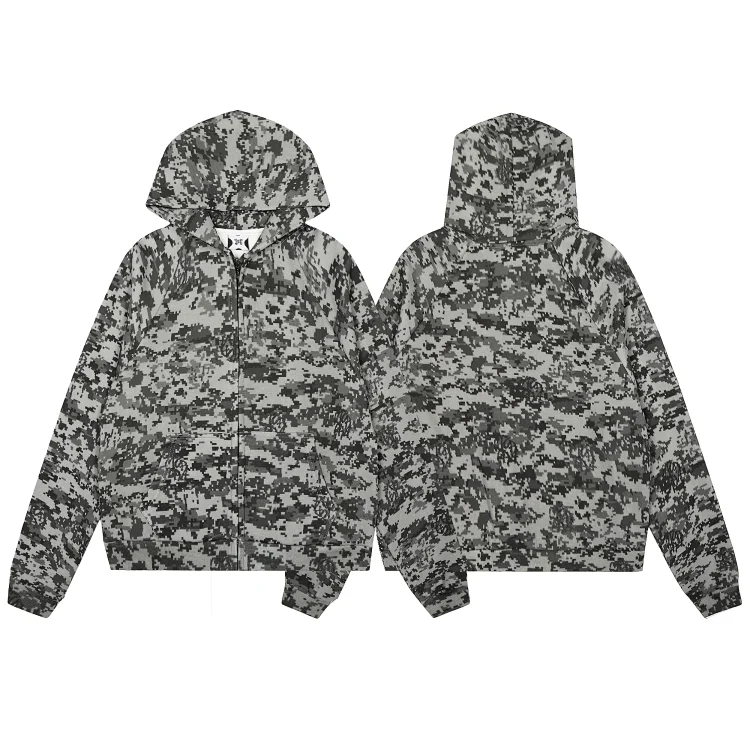
Check print and embroidery placement
Compare the graphic with stable garment references: centre line, pocket, zipper, shoulder seam and hem. Check scale, spacing and whether front, back and sleeve designs belong to the same option. Mixed photos may show several batches or colourways. For embroidery, inspect visible edge shape and thread density only when close-ups exist.
Save one clear reference image for every design area that matters. At warehouse arrival, compare the actual photos with those references. Camera angle may distort placement, so use multiple lines rather than judging from one tilted image.
Inspect hoodie construction
Review hood panels, drawstrings, eyelets, zipper, kangaroo pocket, cuffs, ribbed hem and any lining. A product page that changes hardware or pocket shape between images may be combining versions. Confirm which image belongs to the selected option before adding the link to a curated finds page.
Construction details matter because they can identify the product even when colour and logo look similar. Record visible differences instead of claiming one version is superior. The checklist is designed to prevent mismatched listings, not to make an unsupported quality ranking.
Read price and quantity together
Open the complete option grid before using the headline price. The lowest figure may be a deposit, accessory or different garment. Confirm size, colour, version and quantity in one selection. Add domestic delivery to the warehouse when comparing two sellers.
Avoid publishing a fixed total price because marketplace and delivery terms can change, and international shipping is a later decision. A useful hoodie entry records the date checked and leads the shopper back to the current page.
Compare seller-side evidence
Check whether the store identity, product title, option photos and size information form one coherent record. A seller score or sales number can be context, but it cannot replace a readable listing. Give more weight to evidence that can be checked again: stable item ID, specific measurements, consistent close-ups and clear domestic delivery or after-sales wording.
Comments are useful when they mention the chosen size, measurements or a visible construction point. They are less useful when they only repeat promotional language. Treat them as attributed experiences, not promises about the next hoodie.
Compare three hoodie candidates
Open no more than three serious candidates and align the same fields: garment type, selected colour, chest, length, sleeve, fabric wording, lining, print method, complete-product price and domestic delivery. Mark every missing field. This makes an apparently cheap listing less attractive when it requires guessing about size or version.
Choose the listing with the best evidence for the intended fit and design, then save the final option. A curated page should explain why the candidate remained on the list without claiming it is universally best. The method is repeatable even when individual seller pages change.
Check custom and seasonal options
Some hoodie pages mix standard stock with pre-sale, custom print, seasonal lining or several production batches. Identify whether the selected option changes fulfilment, return conditions or construction. Keep any seller timetable as an estimate and do not promise an arrival date. A custom item can also have different after-sales conditions, so review the current wording before purchase.
If a listing has been reused across seasons, compare current option photos with older gallery images. Changed labels, drawstrings, pocket shapes or fabric descriptions can reveal that several versions share one URL. Record the version instead of treating the page as one permanent product.
Maintain the hoodie finds row
Recheck popular rows for a live destination, complete-product option, size chart and matching cover image. Update the checked date and remove a row when it repeatedly redirects or no longer describes the card. Do not inherit old measurements when a seller replaces the batch or option structure.
Write titles around observable intent—pullover, zip hoodie, oversized fit, graphic placement or measurement evidence—rather than unsupported quality claims. This attracts visitors looking for that specific decision and makes the click more likely to continue to the correct product.
Prepare the warehouse photo review
Create a short list: correct colour, size label, front and back design, chest and length measurement if needed, zipper or pocket structure, cuffs, stains, tears and included pieces. Review all available photos at full size. Request a targeted view only if an unresolved detail would change keep-or-return judgment.
Visible agreement does not prove material composition or authenticity. It does show whether the received unit broadly matches the selected listing. Keep the original page, option screenshot and photo record together until delivery.
Apply a stop rule
Do not order when the page cannot distinguish a full hoodie from a partial payment, when the size system has no usable evidence for a fit-critical purchase, or when option photos contradict the written selection. Also stop if the link redirects to another product family.
Choose the candidate with coherent identity, measurements and images. Recheck it immediately before payment. This disciplined process makes USFans hoodie finds more useful than a gallery of attractive thumbnails and gives the buyer a concrete record for later QC.
Check the hoodie as a layered garment
Measure a hoodie that fits over the layers you plan to wear. Record chest width, body length, shoulder construction and sleeve method. For a dropped shoulder, the shoulder seam sits farther down the arm, so shoulder-to-cuff length alone may look shorter than expected. Compare the complete construction rather than choosing a larger label to compensate for an unexplained number.
Check whether the selected version has a zip, drawcord, lining or other parts shown in the gallery. A heavy finished garment does not establish fabric weight per square metre, fibre composition or warmth. Record these as separate seller claims when provided. At the warehouse, prioritize the chosen design, critical dimensions and visible closure condition before spending time on small decorative differences.
Document the final option
Keep the chosen hoodie link, selected size, colour, price and measurement chart in one record. Reopen them before payment, and later compare the warehouse images with that exact option. If the listing changes, treat the new version as a fresh candidate rather than inheriting the earlier verification.