
Visible listing fields can be compared; material composition, authenticity, strength and long-term hardware performance remain unverified unless independently demonstrated.
Define the intended use
Start with what the bag must carry and how it will be worn. Record minimum internal dimensions, preferred closure, strap type and whether a laptop, bottle, shoes or travel documents must fit. A visually similar mini bag and full-size backpack can appear in one product family but solve completely different tasks.
For accessories, specify compatibility and quantity. A strap, pouch, charm or insert may share photographs with a complete bag. The discovery card should name the actual selected item so the lowest accessory price is not mistaken for the full product.
Verify dimensions and measurement method
Look for width, height and depth and note whether measurements are external. Compare them with the object that must fit, allowing space for seams, lining and closure. Do not infer capacity from a model photograph or convert a vague ‘large’ label into litres without evidence.
If the listing shows more than one size, save the chosen dimension row and option image. Small differences can change both usability and later parcel volume. When no useful dimensions are available, treat size as unresolved.
Audit straps and included pieces
Confirm the number of handles and straps, whether a shoulder strap is removable or adjustable, and whether pouches, dust bags or inserts are included. Promotional photographs may show styling accessories that are not part of the order. Match every claimed component to the selected option text.
At warehouse arrival, count the visible pieces and check attachment points. A missing strap can change the whole use case, so it deserves higher priority than minor packaging marks. Keep the seller reference until the final delivery is complete.
Read hardware and closure evidence
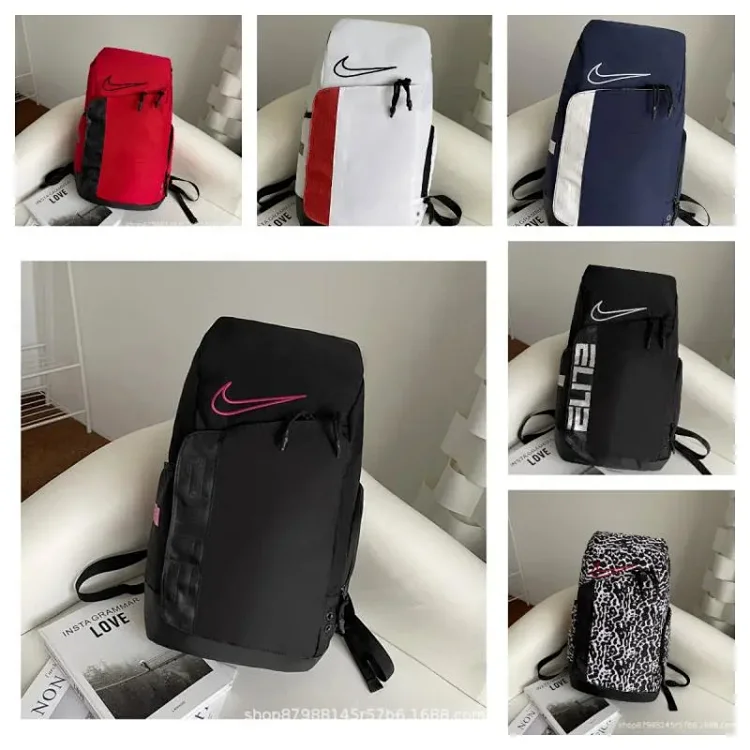
Inspect zipper layout, buckles, magnetic closures, snaps, feet, rings and colour of visible hardware. Check whether different images show consistent shapes and placement. Mixed gold and silver examples may represent separate variants or old photography.
Photographs can show scratches, missing pieces or obvious alignment issues, but they cannot prove metal composition, strength or future corrosion. Describe only the evidence visible in the listing and later warehouse set.
Separate material claims from appearance
Record the seller's material wording exactly and avoid translating appearance into a stronger claim. A textured surface cannot prove leather type, coating or durability. Interior and edge close-ups can help identify the advertised version, but they remain visual references.
When material is essential, prefer listings with specific, consistent descriptions and multiple close-ups. If the page contradicts itself, mark the claim uncertain rather than choosing the most attractive wording.
Confirm colour, size and product option
Open every relevant combination because colour thumbnails may also change size, strap configuration or included parts. Confirm quantity and whether the option is a complete bag. Save the exact choice with the final price and domestic delivery shown at the time.
Do not use the minimum headline price as the spreadsheet price if it belongs to an accessory. A dated reference range is more honest, while the live option page remains the source before checkout.
Review seller and listing signals
Check shop identity, stable item ID, coherent dimensions, option photographs, domestic delivery and after-sales wording together. No individual metric guarantees the next item, but a consistent record gives the buyer more to verify. A bag page with strong photographs but no dimensions can still be a poor candidate for a fit-specific use.
Read comments for concrete information such as the chosen size, included strap or closure, while treating each report as an experience rather than a universal fact. Do not turn a popularity count into a claim about material or hardware quality.
Consider shape and packing sensitivity
Rigid bags, structured handles and projecting hardware can be sensitive to pressure. A product-discovery check should record whether shape is essential and whether removable parts are shown. This is not a shipping quotation; it is a reminder that an apparently compact item may need protection later.
Avoid promising a particular parcel saving before final packed dimensions are known. If a bag only seems attractive under an unrealistic assumption that it can be flattened without consequence, mark that risk before purchase. The decision should include how the product is expected to retain its useful shape.
Maintain bag and accessory rows
Recheck whether the destination still defaults to the complete product and whether the selected size and strap configuration remain available. When an accessory becomes the lowest option, update the price label so visitors do not confuse it with the bag. Date the check and remove stale links.
Use descriptive titles that mention the actual product type and one useful attribute, not a string of unverified brand or quality claims. Accurate rows attract fewer accidental clicks and more visitors who understand the next page.
Compare candidates with the same fields
Build a short table with product type, external dimensions, intended object fit, strap configuration, closure, included pieces, hardware colour, material wording, selected price, domestic delivery and date. Keep unknowns blank and avoid mixing seller claims with measured fields. A comparison is only useful when each row answers the same decision.
When two listings use similar cover images, dimensions and included parts often reveal the meaningful difference. Choose the candidate that supports the intended use with the clearest evidence, not the one with the loudest title. Save the selected row as a dated record, then reopen it before payment to confirm that the seller has not changed the option, accessory bundle or size. If the use case depends on a laptop, bottle or other object, compare its real measurements rather than trusting a staged photograph.
Prepare the later visual check
List the decision points: overall shape, dimensions when available, colour, handles, strap, closure, hardware, interior, edge finish, included pieces and visible damage. Review warehouse images in full size and request only a targeted missing view.
The USFans photo stage can confirm many visible fields, but not load capacity or long-term performance. Avoid turning a clean image into a durability guarantee. The buyer's record should distinguish what matched from what remains unknown.
Choose or reject the listing
Stop when full product versus accessory is unclear, dimensions are absent for a fit-critical use, option images conflict, or included parts cannot be identified. Score coherent identity, dimensions, components, hardware, material wording, seller details and domestic delivery.
Recheck the live listing before payment. The best USFans bag or accessory find is the one whose use, size and included parts can be explained without guessing. That clarity improves clicks because visitors can move from discovery to a confident next step.
Check capacity using defined dimensions
Record the bag width, height, depth and strap measurements when the seller provides them. Check whether those are external dimensions or usable internal space. A wide exterior does not guarantee room for a laptop, bottle or other rigid object because seams, lining, closures and internal dividers can reduce the space available.
Use a familiar item as a reference only when its dimensions are known. A photograph of a phone beside a bag can be misleading if the model, angle or scale is unclear. If fitting a particular object is essential, request a relevant measurement or a specific demonstration instead of inferring capacity from styling images.
List the included pieces separately: main bag, removable strap, pouch, protective cover or other components. Confirm that the selected option includes each required part and compare them at warehouse arrival. A complete-looking gallery may show multiple variants together, so the image count is not a reliable inventory of what one purchase contains.